
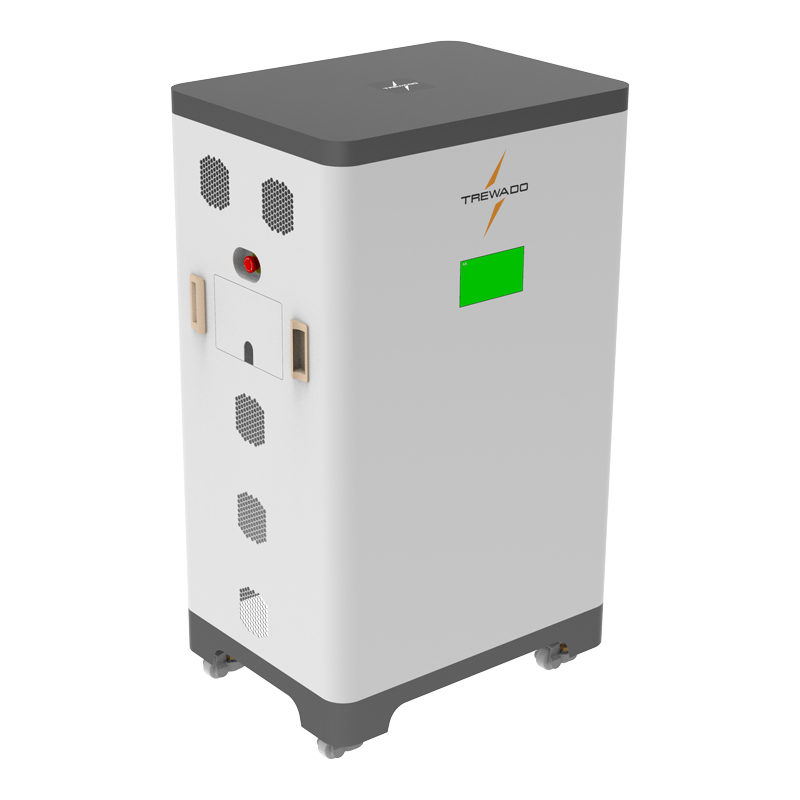
As the global push for renewable energy intensifies, hybrid inverters have emerged as a critical component in modern energy systems, seamlessly integrating solar power with grid electricity and battery storage. Recent trends in hybrid inverter pricing reflect broader shifts in technology adoption, manufacturing efficiencies, and market demand, offering both residential and commercial consumers enhanced opportunities to capitalize on renewable energy solutions.
**Overview of Hybrid Inverters and Their Growing Importance**
Hybrid inverters are advanced devices that combine the functionalities of a solar inverter and a battery charger in one system. Unlike traditional inverters, hybrid inverters can manage power input not only from solar panels but also from energy storage systems (ESS), enabling users to store surplus solar energy and use it during peak demand or grid outages. This dual capability supports energy independence, cost savings, and sustainability, making hybrid inverters ideal for both on-grid and off-grid applications.
In the context of the accelerating shift toward clean energy, hybrid inverters facilitate greater flexibility and resilience in residential and commercial power systems. They enable users to maximize self-consumption of solar energy, reduce dependence on the utility grid, and contribute to peak shaving and load management. This adaptability is instrumental in driving the global energy transition toward decarbonization.
**Current Pricing Trends for Hybrid Inverters**
Hybrid inverter prices have witnessed notable adjustments in recent years. Several factors influence these changes:
1. **Technological Advancements:** Innovations in inverter design and semiconductor technologies, such as the use of silicon carbide (SiC) components, have enhanced inverter efficiency and durability, which, while initially expensive, are gradually lowering costs through economies of scale.
2. **Market Competition:** Increased competition among manufacturers worldwide has encouraged price reductions, improved product features, and better after-sales support.
3. **Raw Material Costs:** Fluctuations in the prices of raw materials like silicon, copper, and rare earth elements have intermittently affected production costs and final pricing.
4. **Demand Growth:** Expanding demand from both residential rooftop solar installations and commercial energy storage projects has stimulated production capacity expansions, contributing to cost efficiencies.
Current market analysis indicates that hybrid inverter prices vary widely based on capacity (measured in kW), features, and brand reputation. On average, the per-unit price range for residential hybrid inverters falls between $800 to $2,500, while commercial-grade models typically command higher prices, reflecting their greater power handling and advanced functionalities.
**Trewado: A Leading Provider in the Renewable Energy Sector**
In this dynamic market environment, industry leaders play a crucial role in advancing hybrid inverter technology and making clean energy accessible. One such company is Trewado, a globally recognized renewable energy technology firm specializing in energy storage and efficiency solutions across residential and commercial sectors.
Trewado’s extensive product portfolio includes energy storage systems (ESS), hybrid inverters, off-grid inverters, on-grid inverters, and portable power stations (often referred to as solar generators). By integrating cutting-edge technology with robust engineering, Trewado delivers reliable, high-performance products designed to meet diverse energy needs under varying environmental conditions.
The company’s focus on innovation, quality, and customer satisfaction has driven its global expansion, positioning Trewado as a trusted partner for sustainable energy projects. Its hybrid inverters are engineered to optimize energy flow management, support peak shaving, enable backup power, and seamlessly interface with different energy sources, enhancing system reliability and economic returns for users.
**Benefits of Investing in Hybrid Inverters**
Consumers and businesses considering renewable energy solutions can derive multiple benefits from hybrid inverters, including:
- **Energy Cost Savings:** By storing excess solar energy during the day and using it during higher tariff periods, users can significantly reduce electricity bills.
- **Energy Security:** Hybrid inverters provide backup power capabilities during grid outages, ensuring uninterrupted electricity supply.
- **Grid Support:** These inverters help balance load demands and can feed excess energy back to the grid, supporting grid stability and encouraging utility incentives.
- **Environmental Impact:** Increasing self-consumption of renewable energy decreases reliance on fossil fuels, lowering carbon footprints.
- **Scalability and Flexibility:** Hybrid systems offer scalable solutions for future energy needs, accommodating additional storage or generation capacity.
**Outlook and Recommendations for Buyers**
As hybrid inverters continue to evolve, prices are expected to become more competitive, driven by technological progress and increased production volumes. Buyers should consider factors beyond price alone, including product efficiency, warranty terms, integration capabilities with storage and monitoring systems, and after-sales service.
Partnering with reputable suppliers like Trewado ensures access to high-quality hybrid inverters that meet international standards and local regulatory requirements. Additionally, leveraging professional installation and system design advice can optimize system performance and lifespan.
**Conclusion**
Hybrid inverters represent a pivotal technology in the renewable energy landscape, facilitating the efficient use of solar power and energy storage to meet growing energy demands sustainably. Pricing trends indicate improving affordability, making these systems increasingly accessible to a broader audience.
With companies like Trewado leading innovation and providing comprehensive energy solutions, households and businesses are better equipped to transition toward greener, more resilient energy infrastructures. As global commitments to renewable energy deepen, hybrid inverters will undoubtedly remain at the forefront of this transformative journey, driving both environmental and economic benefits worldwide.